Authoradmin

Picture a Newcastle punter weighing whether their thousand-dollar float should land in AUD, USD or crypto before the first in-play market even opens. That’s the real decision sitting underneath any talk of a betting bankroll 1000 dollars: the cashier path you pick decides how fast money moves, what fees bite, and which verifications slow things down. In my LATAM role I watch Brazilian and Mexican players face the same friction with PIX and Boleto.
Before loading a single cent, ask which deposit rails the operator actually supports and whether they handle AUD without conversion loss. In Brazil my team watched PIX deposits clear in seconds, while bank transfers crawled for hours; in Australia, POLi, PayID and BPAY fill a similar fast-track role alongside card rails and a handful of e-wallets. A Newcastle punter funding from a Bayswater account might prefer PayID’s instant handoff, while someone further up the M1 might lean on BPAY because their bank app already has it pre-loaded. The trade-off is straightforward: e-wallets are quick, but some operators cap qualifying deposits for a welcome offer if the rail is treated as a third-party processor. A card deposit usually keeps bonus eligibility intact, and a full walkthrough of the sign-up flow can be found at https://rocketplaybonus.org/ before you commit the float. For a thousand-dollar float, the wrong rail can quietly cost you forty or fifty bucks in surcharges before the first market settles, so reckon on matching your most common stake size to your favourite method, provided it processes in that bracket without splitting the payment.
Speed of withdrawal is the question every serious punter asks after the first winning in-play bet settles. Offshore operators accepting Australian customers typically process e-wallet payouts inside twelve to twenty-four hours, while card refunds stretch to two or three business days, and bank wires can take five working days once the internal review clears. That’s a different rhythm to the UK, where FICA-style verification is usually front-loaded and withdrawals after that run quickly, or to New Zealand, where domestic platforms settle same-day. Here, the practical question is whether the cashier has a pending period measured in hours or in days, because that window is the part you cannot control. A smart habit is to make a small test withdrawal of fifty or a hundred dollars before pushing the full bankroll through, so you confirm the rail works and the verification team has already seen your documents. If a thousand-dollar balance is sitting across a few sportsbooks, defo pick the one that pays back to the same method you used to deposit, since reverse-charge rules force a refund to the original rail. That single decision trims a day off the timeline and avoids the dreaded extra-verification email.
KYC is the part most players underestimate when sizing up a betting bankroll 1000 dollars. Standard offshore operators ask for photo ID, proof of address dated within three months, and sometimes a copy of the deposit card. A Newcastle punter scanning a driver licence and a recent energy bill will usually clear inside twenty-four hours, but if the address on file does not match the document, the file bounces for manual review. That same pattern shows up in my LATAM work, since Brazilian players juggle CPF plus proof of residence and Mexican customers provide INE plus a bank statement, so the friction is genuinely universal. From a float perspective, defo upload documents on day one rather than waiting for a big withdrawal, because the first cashout after a heavy winning streak is when verification slows down. Operators may also run source-of-funds checks on larger deposits, so organise a clean paper trail from your bank first. The question before signing up: does the operator publish its verification turnaround time, and is there a named compliance contact? If neither answer exists, expect a busy as queue when you try to pull a grand out.
Most cashier pages hide their sharpest edges in the small print, and a betting bankroll 1000 dollars brushes against every one. Watch deposit limits: some operators cap a single PayID at five hundred dollars, so funding the full float takes two pushes, each a fraud-filter risk. Withdrawal caps matter just as much, with offshore sites often setting a daily ceiling between two and five thousand AUD, so an in-play weekend usually clears in one request. Bonus terms reshape the flow, since a deposit-match offer locks the bonus behind a wagering multiplier, while only slots contribute fully and live dealer games like baccarat are weighted at ten or twenty per cent. Players who run a measured live baccarat bankroll approach keep bonus funds separate, since a venue burning a card at the shoe after a peek thwarts anyone who glimpsed the top card and resets the wagering clock. The yarn about Kerry Packer tipping the croupier five grand after a baccarat win at the Crown shows the kind of large movement that triggers an AML screen. The final question: does the cashier let you split withdrawals, and does splitting attract the same scrutiny as one chunky payout?
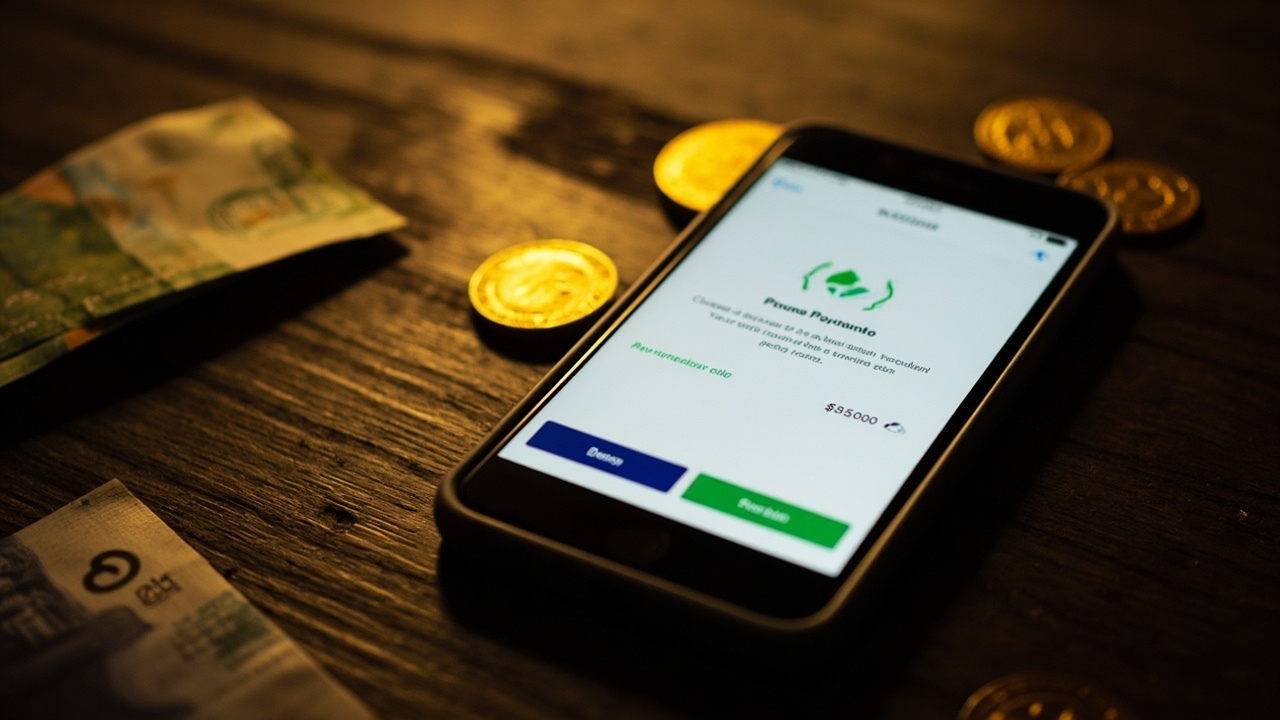
Pick the cashier that pairs with how you actually stake rather than the friendliest welcome page, run a tiny withdrawal on day one to test the rail, and keep the thousand split across two or three platforms so no single AML check locks the whole float. No worries if it takes an extra afternoon to organise the right PayID or BPAY habit; the speed on the back end makes a grand feel like a tool, not a gamble.